Experienced Electrician Assistance: Guaranteeing Safety and Efficiency
Electrical professional services are vital in maintaining safety and efficiency within electrical systems. They follow stringent codes, minimizing risks associated with electrical hazards. Proficient electricians can determine and address everyday problems, forestalling costly problems before they occur. Understanding the value of these services can greatly shape a homeowner's experience. Yet, many overlook important warnings that denote when professional assistance is needed. What are these signs, and how can they impact your home's safety?
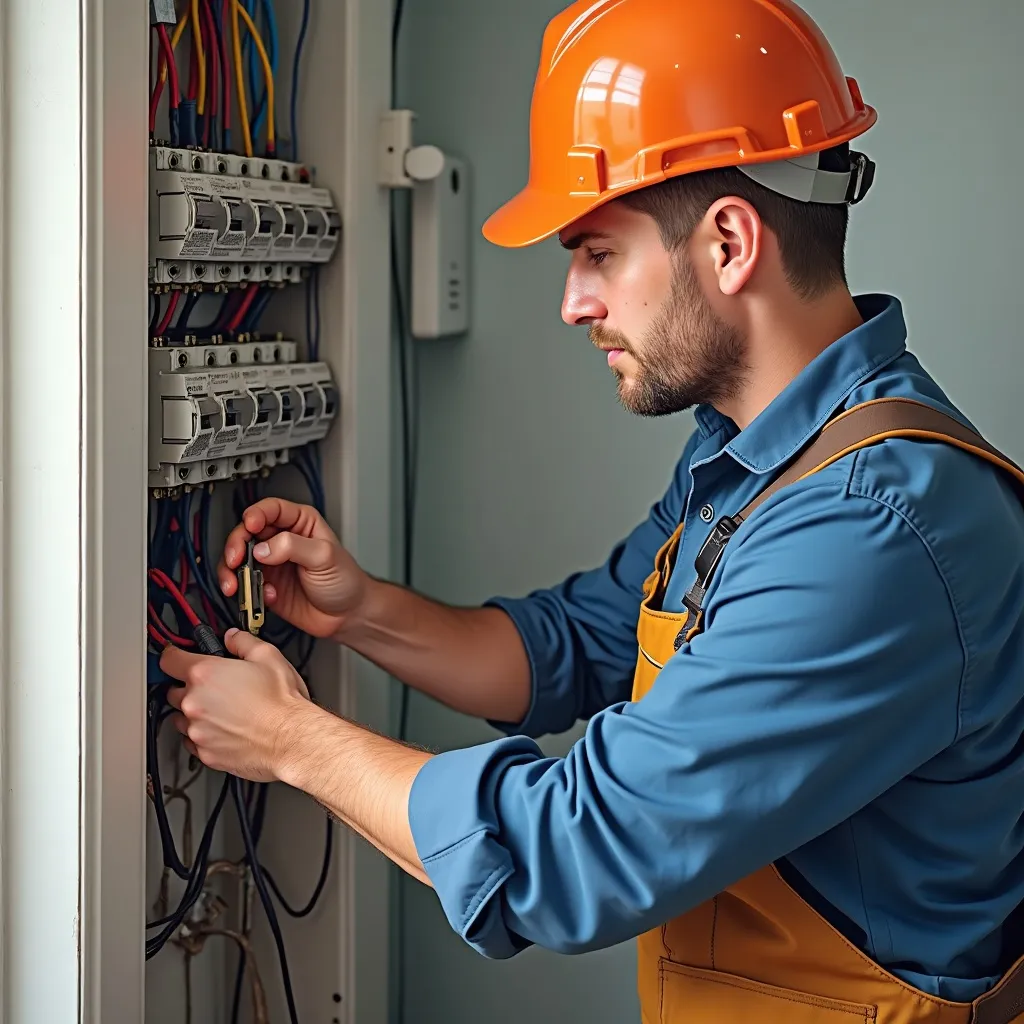
Prevalent Power Malfunctions & How Competent Electricians Remedy Them
What common electrical issues plague homeowners, and how can professional electricians resolve them effectively? Common problems include flickering lights, circuit breakers that trip, and power outlets with little or no power. These issues often stem from old wiring, overloaded circuits, or faulty connections. Expert electricians possess the expertise to identify the underlying causes precisely and execute practical solutions.
To illustrate, flashing lights may signal loose wiring or a damaged fixture, which electricians can replace or restore. When circuit breakers are tripped, electricians assess load distribution and may advocate circuit upgrades to prevent recurrence. Moreover, non-functional outlets can point to wiring problems that need immediate attention to guarantee safety. By utilizing their skills and tools, expert electricians not only address these issues but also enhance the overall safety and efficiency of a home's electrical system. Their expertise is essential in preventing future complications and securing dependable electrical performance.
The Critical Need of Hiring Experienced Electricians for Security
Securing expert electrical contractors is critical for achieving protection in electrical operations. These experts warrant regulatory standards, which reduces inherent dangers while also offering enduring financial advantages through reliable installations. Their skill not only protects property but also enhances the comprehensive security of dwellers.
Statutory Code Conformance Assurance
Ensuring adherence to codes is indispensable for the safety and dependability of any electrical installation. Conforming to national and local electrical codes not only shields property but also protects lives. Certified electricians are educated to implement and comprehend these codes proficiently, ensuring that maintenance and installations adhere to all necessary regulations. Their experience mitigates the risk of electrical hazards, such as shocks or fires, which can arise from regulatory non-compliance. Moreover, engaging experts helps circumvent potential legal complications and fines stemming from faulty work. By emphasizing code compliance, property owners can extend the lifespan of their electrical infrastructure while preserving a healthy and safe environment for occupants. All told, professional electricians are vital to upholding and reaching these benchmarks.
Decreasing Risk Through Tactical Approaches
Employing qualified electricians significantly lowers the dangers connected with electrical work. Their extensive training and experience allow them to detect potential hazards that an untrained person might miss. By following standard safety protocols and local regulations, expert electricians reduce the chances of accidents, including electrical fires and shocks. They use reliable materials and tools, ensuring that installations and repairs comply with safety standards. Furthermore, their understanding of the cutting-edge technologies facilitates efficient troubleshooting to avoid future hazards. Scheduled maintenance by experts can also detect wear and tear before it results in hazardous situations. Overall, hiring expert electricians is a smart step toward protecting both property and individuals from electrical-related dangers.
Extended-Period Budget Cuts
Expert electricians not only improve safety through risk mitigation but also play a major role in long-term cost savings. By employing skilled professionals, property owners reduce the likelihood of expensive electrical failures and repairs that can result from poor installations or maintenance. Expert electricians ensure adherence to more info regulations, thereby avoiding fines and potential legal issues. Their proficiency leads to power-saving solutions, which decrease utility bills over time. Additionally, quality workmanship minimizes the need for frequent repairs, extending the lifespan of electrical systems. Investing in expert services may seem costly upfront, but the long-term benefits—lowered repair costs, increased energy efficiency, and enhanced safety—far outweigh initial expenses, ultimately leading to substantial financial savings.
Experienced Electrical Specialists and Their Effect on Energy Efficiency
While many homeowners seek to reduce their power expenses, few acknowledge the essential function that trained electrical specialists have in boosting energy efficiency. Qualified electricians utilize their knowledge to inspect a home's power distribution, discovering areas where electrical waste happens. They propose enhancements such as efficient light fixtures and devices, which draw considerably less power.
Additionally, these experts guarantee that wiring and connections are optimized, minimizing wasted energy from faulty installations. They also guide homeowners on smart technologies, such as programmable thermostats and energy management systems, that contribute to energy savings.
Essential Power Rules Every Homeowner Ought to Be Aware Of
Understanding electrical directives is critical for homeowners seeking safety and compliance. The National Electrical Code determines the baseline for electrical requirements, while regional distinctions can introduce particular standards. Additionally, familiarity of common code violations can assist in preventing dangerous circumstances and expensive fixes.
National Electrical Code Essentials
The National Electrical Code (NEC) operates as an critical structure for electrical safety in residential and commercial buildings. Created by the National Fire Protection Association, the NEC outlines important guidelines for electrical installations, guaranteeing that systems are safe, efficient, and up to date. Key provisions cover wiring methods, grounding, circuit protection, and load calculations. Compliance with the NEC is necessary, as it helps prevent electrical hazards such as fires and shocks. Regular updates to the code reflect advancements in technology and safety practices, making it essential for homeowners and electricians to stay informed. Understanding the NEC can empower homeowners to recognize safe practices and make informed decisions about their electrical systems.
Local Code Differences Explained
Local electrical codes can vary considerably from one jurisdiction to another, showing specific regional needs and safety considerations. These codes define standards for installations, materials, and safety measures, making sure that electrical systems function reliably and safely. Homeowners must understand that local codes may set stricter requirements than the National Electrical Code (NEC), covering unique environmental factors or local infrastructure. For instance, areas prone to flooding may require additional waterproofing measures, while regions with extreme weather might call for enhanced grounding techniques. Understanding these variations is essential for homeowners planning renovations or new installations, as compliance is both a legal obligation but also a critical factor in securing property and lives. Consulting a local electrician can provide clarity on specific code requirements.
Standard Code Transgressions Exposed
While homeowners may assume their electrical systems are compliant, numerous common violations often go unnoticed. These issues can pose serious safety risks. One frequent issue is the lack of ground-fault circuit interrupters in wet areas, which are essential for preventing electrical shock. Additionally, incorrect wire gauge can lead to overheating and potential fires. Overloaded circuits, where too many devices are connected, also violate code and increase fire hazards. Moreover, exposed wiring and inadequate grounding can compromise a system’s safety. Homeowners should also be aware of outdated wiring methods that don’t meet current standards. Regular inspections by a qualified electrician can identify these problems and guarantee compliance with electrical codes, safeguarding both property and occupants.
Budget Elements for Quality Electrical Installations
How should you balance quality and cost when picking electrical work? This question is important for property owners in search of trustworthy electrical services. The initial cost of engaging a qualified electrician may appear greater than that of an amateur; however, the long-term benefits often surpass the upfront expenses. Professional electrical work reduces the likelihood of future repairs and guarantees adherence with safety codes, ultimately saving money over time.
When evaluating costs, one must consider the professional's expertise, reputation, and the complexity of the job. Budget-friendly options may lead to subpar work, resulting in hazardous conditions or expensive repairs down the line. Additionally, trustworthy electricians often provide guarantees, providing peace of mind. Consequently, a balanced approach requires evaluating both quality and expense, ensuring that the chosen service meets safety standards while remaining within budget constraints. Choosing expert work can result in significant savings and enhanced safety in the long run.
Signs You Should to Contact an Electrical Professional for Assistance?
Many homeowners may miss subtle signs suggesting the requirement for professional electrical assistance. Flickering lights often indicate an faulty wiring or circuits that are overloaded, signaling the necessity for immediate attention. Additionally, circuit breakers tripping frequently can indicate underlying issues that need professional knowledge. Homeowners should also be cautious about burning smells or excessive warmth emanating from outlets, which can present serious fire hazards.
Yet another red flag is the existence of uncovered electrical lines or damaged cords, posing both safety risks and potential code violations. If outlets or switches feel warm to the touch, this could reveal compromised electrical systems. Moreover, an spike in energy bills without a corresponding spike in usage may indicate inefficiencies that an electrician can repair. Spotting these indicators can help maintain electrical safety and efficiency, avoiding minor issues from developing into costly repairs or hazardous situations.
Common Inquiries Posed
What Qualifications Should I Consider in an Electrical Contractor?
When selecting an electrician, one must prioritize a current license, pertinent qualifications, insurance coverage, experience in specific electrical tasks, and strong customer ratings to confirm both well-being and superior workmanship.
How often Should I Arrange Electric Inspections?
Electrical inspections ought to be organized every three to five years for domestic properties. However, more frequent inspections are advised if renovations occur, new appliances are added, or if safety problems emerge, ensuring peak operation and safety.
Do Electricians Have the ability to Configure Connected home automation?
Electricians can certainly set up smart home technology. Their skill allows them to integrate devices smoothly, guaranteeing proper operation and security. This installation enhances home automation, offering convenience and improved energy management for homeowners looking for modern solutions.
What should I take action in an electric crisis?
When facing an electrical emergency, individuals must quickly switch off the power at the breaker box, do not use water, and get in touch with a qualified electrician. Staying calm and safe is essential until trained professionals arrives.
Do Power Services Come With Warranties?
Several electricians give warranties for their work, typically safeguarding labor and materials for a specific duration. Clients should ask about warranty details before hiring, confirming clarity on what is included and any conditions that are relevant.